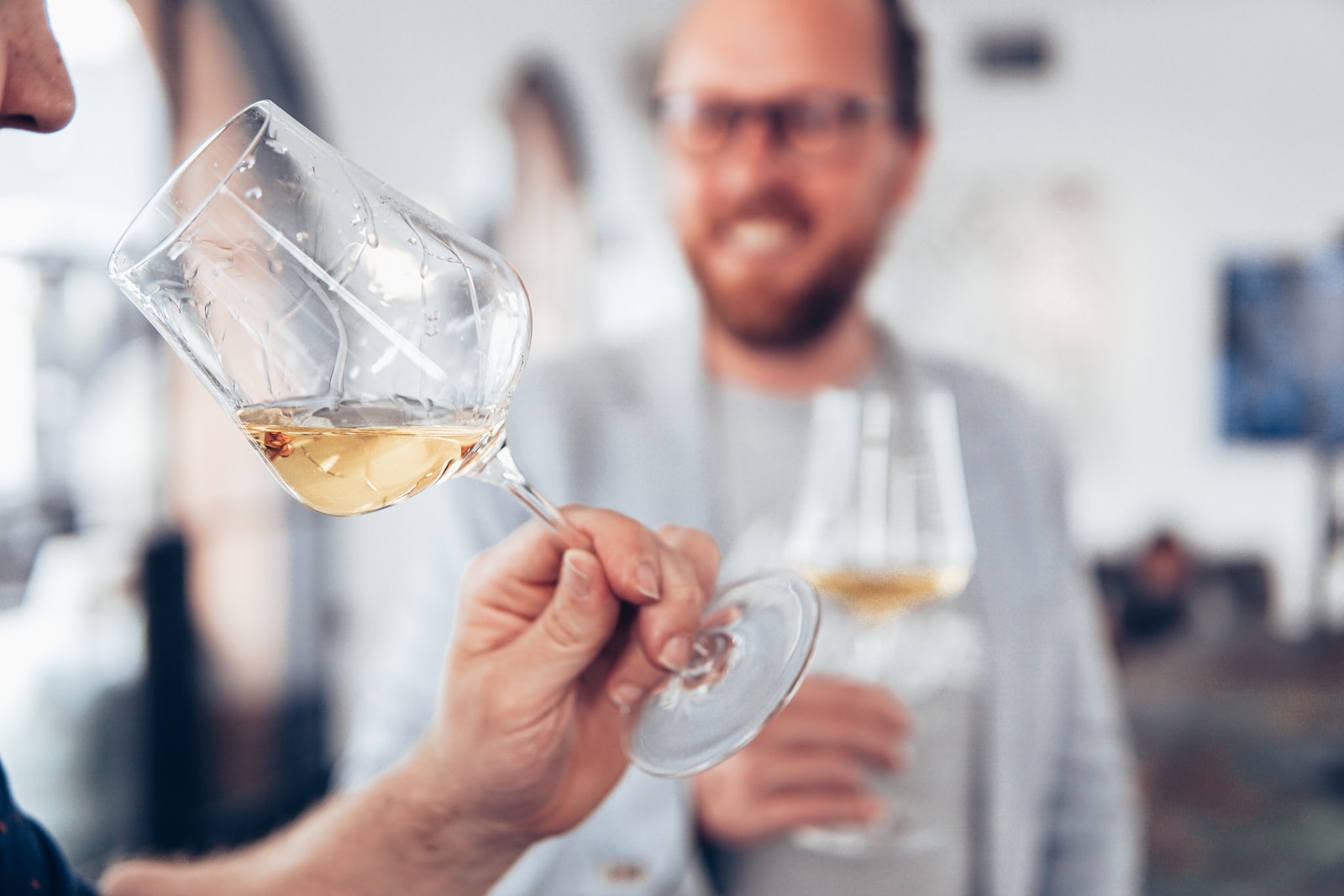
If you’re going to a wine tasting for the first time, it can be exciting, but you may also feel a little insecure because you don’t know how to act. But don’t worry, with us you’ll find a complete guide to help you ace your first wine tasting. From how to prepare properly to knowing the intricacies and process of an ordinary wine tasting. So let’s toast together and get started!
Preparing for your first wine tasting
Dress appropriately
Wine tastings tend to be a bit more formal, but you should always dress comfortably and neatly. Refrain from wearing overly casual clothing such as shorts, flip-flops, or baseball caps. Instead, opt for casual attire that shows some respect for the event and the other attendees. For men, a button-up shirt or polo shirt is recommended with jeans or khakis. For women, a pleasant blouse with trousers, a skirt or a plain dress will do.
Remember, at the end of the day, you need to feel comfortable in your clothes. If you’re not the shirt and jacket type, then you don’t have to pretend to be at a wine tasting.
Research the wines to be tasted in advance
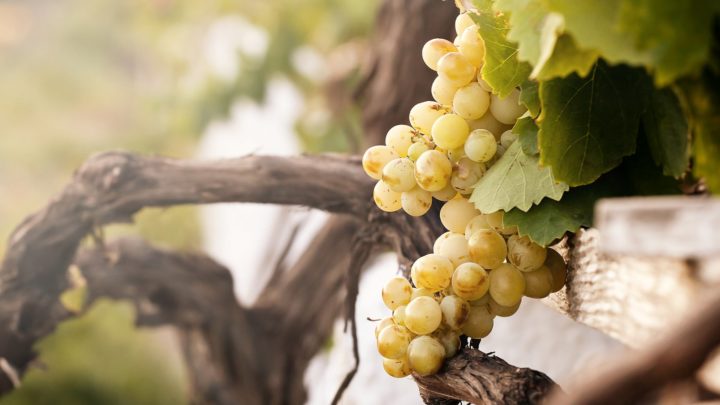
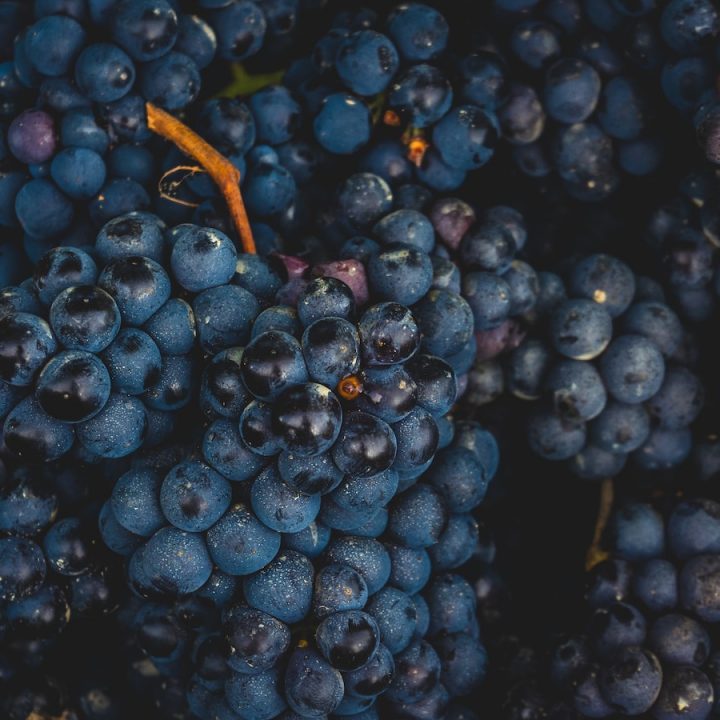
Take some time to learn about the wines at the event. Familiarize yourself with the wineries, grape varieties and regions where the wines come from. Knowing about the background of the wines will not only help you impress your conversation partners, but will also enrich your wine tasting overall. Learn about the philosophies of the winemakers and the special characteristics that distinguish their wines.
Take notepad and pen with you
To help you remember your impressions of each wine later, you should write down some notes during the tasting. Write down the names of the wines you liked, as well as any characteristics that stood out to you in a particularly positive way. This is helpful if you want to buy a wine later or remember your experience.
The art of wine tasting
Pay attention to the color of the wine
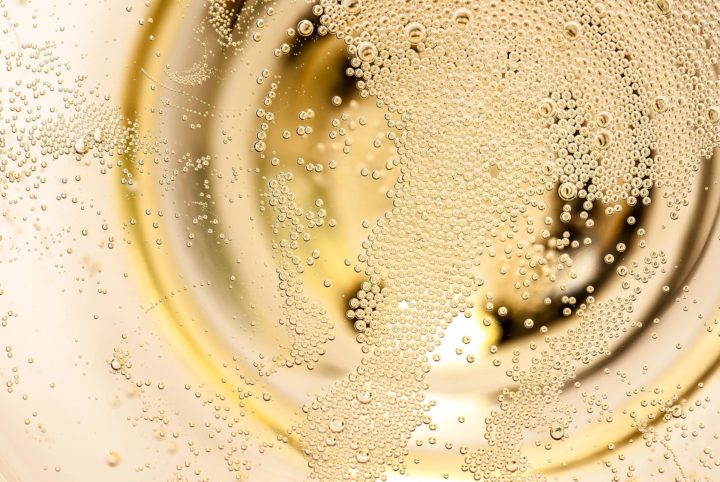
After your first glass is poured, pause for a moment and observe the color of the wine. Pay attention to the hue, intensity and clarity of the wine against a white background. Its color can give information about its age, the grape variety or the wine aging in oak barrels. While red wines take on a lighter and browner color with age, white wines become darker and acquire an intense golden color.
Panning the wine
By swirling the wine in your glass, you bend the rim of the glass with wine (increasing the surface area) and bring some oxygen into the glass, which brings out the complex and subtle flavors of the wine. Gently move your glass in a circle while holding it by the stem to prevent your hand from warming the wine. When you master this method, you will see that the “legs” or “tears” of the wine run down the sides of the glass. From this it is possible to estimate how heavy the wine is, which is often associated with its alcohol content and body.
Smell the wine
Hold your glass to your nose and breathe in consciously once to perceive the different aromas. Pay attention to the individual fragrance notes, such as fruits, flowers, spices or earthy components. The more you practice, the more you develop your sense of smell and your ability to identify specific aromas. Discuss your perceptions with your interlocutors as this can be an interesting and educational part of the experience.
Taste / Taste the wine
Take a small sip of the wine and let it linger in your mouth. Pay attention to its taste, texture and the sensations it evokes. Check to see if there are any aromas that correspond with the smell you identified earlier. Try to figure out the sweetness, acidity, tannins, body and balance of the wine as you taste it. These things will help you judge how good a particular wine is and, more importantly, whether it appeals to you or not.
Rate the resonance / finish
When you have swallowed or spit out the wine, pay attention to the aromas and impressions left by the wine. A great wine usually offers a long, enjoyable aftertaste. Observe how the wine fades and whether you want more of it or whether its aftertaste leaves a bitter aftertaste.
The wine tasting etiquette
Do not apply heavy perfumes
You will not be able to properly perceive the aroma of the wine if you are surrounded by strongly scented lotions, colognes or perfumes, so avoid such scents. It is recommended to use a scent that is as inconspicuous as possible during the event, as strong scents can also affect the experience of other participants.
Use the spittoon / spittoon
At first glance, it may seem odd to use a spittoon, however, it is a common and acceptable practice. This way, you can taste a variety of wines without consuming vast amounts of alcohol. Just take a sip, move it around in your mouth briefly, and then spit it out inconspicuously. If you don’t want to spit out the wine, drink it slowly and maintain a steady drinking pace during the competition.
Ask (many) questions
Discuss the wines you taste with the host, sommelier or winery representatives to learn more. They are usually eager to share their expertise with you and answer your questions as best they can. In this way, you not only gain greater insight, but also demonstrate that you like to get to the bottom of things by engaging in conversations and asking questions. By the way, the principle also applies to wine tastings: There are no stupid questions, only stupid answers!
Do not get drunk
Keep in mind that the purpose of a wine tasting is not to get a buzz, but to discover and appreciate different wines. Keep your alcohol consumption under control and make sure to drink enough water during breaks. This makes you more alert and focused, and you can properly perceive the subtle nuances of each wine.
Typical technical terms at a wine tasting event
Familiarize yourself with the following terms before attending a wine tasting. With them, you can better share your thoughts on crying and understand your peers:
- Body: Refers to the weight and texture of the wine in the mouth. Depending on the alcohol content and grape variety, wines can be light, medium or full-bodied.
- Tannins: Naturally occurring chemical compounds found in the skins, seeds and stems of grapes, as well as in the oak barrels used for aging. The tannins give the wine its astringent effect, its mouthfeel and its structure.
- Acidic structure: The tangy, tart quality of the wine that gives it a crisp, refreshing taste. The acidity of a wine plays an important role in balancing its residual sweetness and allowing it to age well.
- Finish / Aftertaste: The lingering aftertaste and sensations that remain after drinking the wine. A long, tasty finish often indicates a high-quality wine.
Now you’re well on your way to becoming a true wine connoisseur. With the knowledge and tips you need, you’ll go on your first wine tasting with confidence. Remember to prepare well, apply wine tasting technique, pay attention to proper etiquette, and interact with the other participants. Above all, enjoy the experience and take every opportunity to taste new and interesting wines.